

Small businesses are the backbone of the American economy (and in many parts of the world) and provide jobs for nearly half (45.9%) of US employees.
Nearly 9 in 10 Americans state that small businesses have a positive impact, whereas only 29% of Americans view large corporations positively.
Want to learn about the state of small businesses, their role in today’s economy, how many businesses fail, and what the current challenges are?
Let’s dive right in.
General Small Business Statistics
- There are 36.2 million small businesses (with less than 500 employees) in the US (SBA)
- Around 82.35% of small businesses in the US have no employees, which amounts to 29.81 million businesses without employees (SBA)
- Only 15.8% of small businesses in the US have between 1 and 19 employees (SBA)
- There are 62.3 million small business employees, accounting for 45.9% of the US workforce (SBA)
- There are 4.88 million small businesses in the professional, scientific, and technical industry, accounting for 13.48% of all small businesses. The only other industry with over 4 million small businesses is transporting and warehousing (4.09 million) (SBA)
- Small businesses in the US generate an estimated $40.2 trillion in annual revenue (SBE)
- Small firms in the US exported goods worth $1.8 trillion, accounting for 33% of the known export value in 2023 (SBA)
- From 1995 to 2023, small businesses have been responsible for generating 20.2 million net new jobs, making up 61.1% of all new jobs created during this period (SBA)
- Small business owners’ primary motivations to go into business include “ready to be their own boss” (28%), dissatisfaction with corporate life (22%), and “want to pursue a passion” (13%) (Guidant)
- Small businesses in the US are responsible for 43.5% of gross domestic product (GDP) (SBA)

- On average, small businesses have 11 employees. To put in perspective, the average employer firm had 24 employees in 2021 (SBA)
- The survey found that the most common challenges among small business owners in 2026 include inflation costs (58%), revenue (35%), costs related to employee benefits (14%), access to financing (14%), and supply chain issues (13%) (Small Business Index)
- 46% of small business owners expected to create new jobs in 2025 (Goldman Sachs)
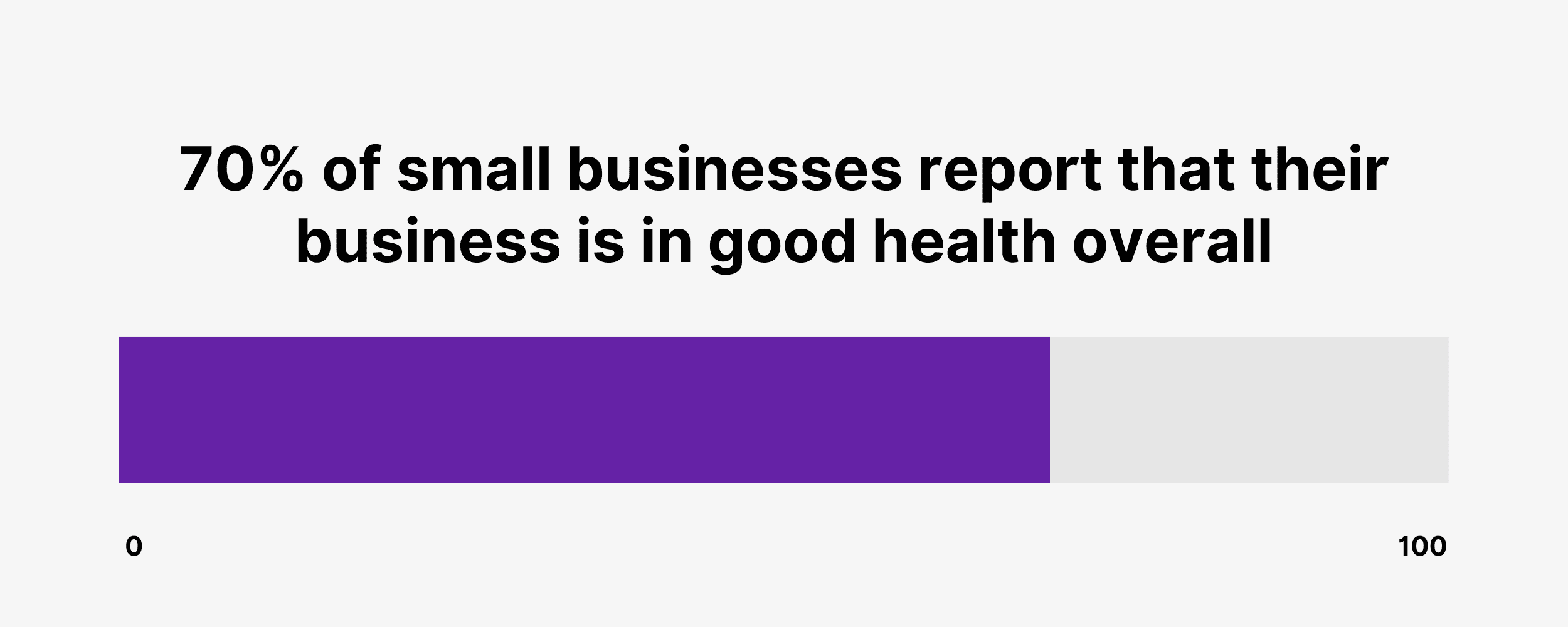
- According to a survey, 70% of small businesses report that their business is in good health overall (Small Business Index)
- The vast majority (86%) of Americans claim small businesses have a positive impact. Only 29% of US adults say large corporations have a positive impact (Pew Research Center)


Small Business Owner Statistics
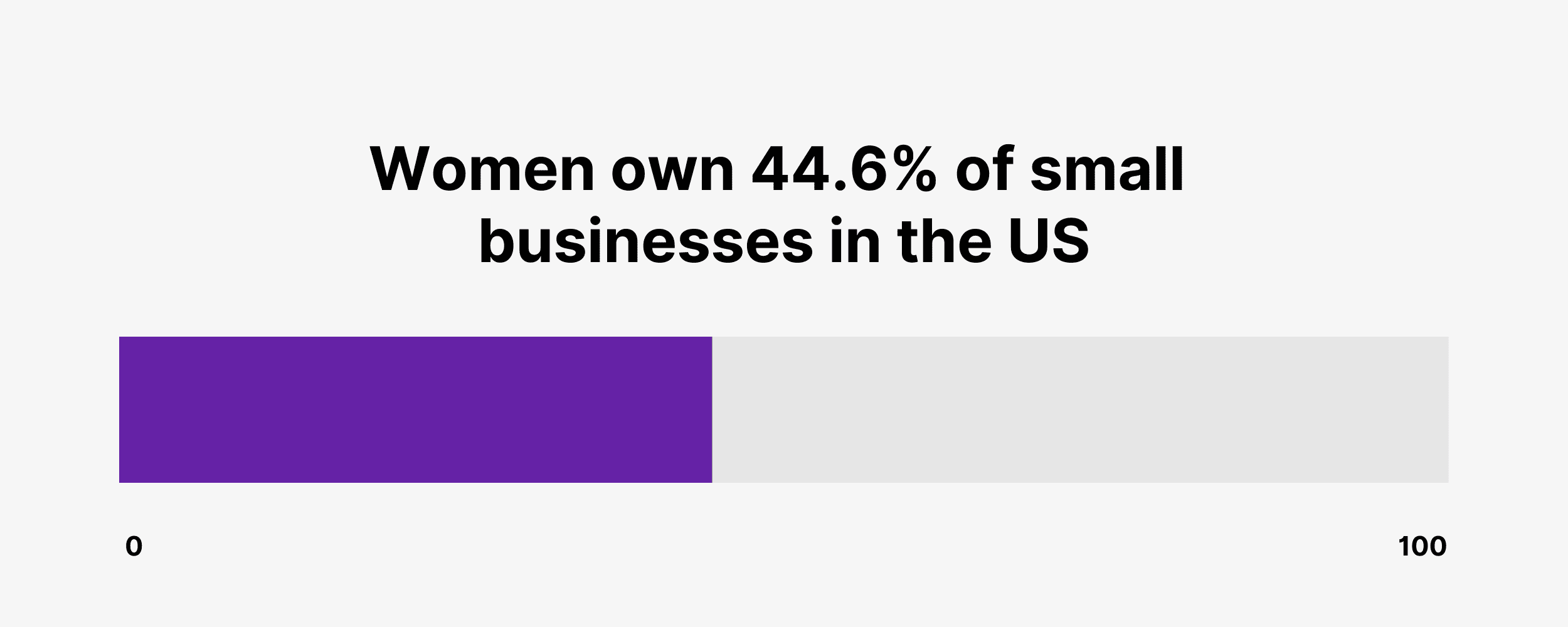
- Women own 44.6% of small businesses in the US (SBA)
- Racial minorities have ownership of 36.01% of small businesses in the US (SBA)
- Gen X (49%) and Boomers (30%) account for the vast majority of small business owners (Guidant)
- In 2021, 27% of small businesses were family-owned (Pew Research Center)
- In 2021, only 1 in 10 small businesses in the US were jointly owned and operated equally by spouses (Pew Research Center)

Small Business Financing Statistics
- A majority of small businesses claim to use personal savings (71%) and credit cards (67%) to finance their business (Small Business Index)
- The average SBA loan is $443,097 under 7(a) loan program in 2024 (SBA)

- A total of 70,242 loans amounting to $31.12 billion were provided to small businesses under the 7(a) loan program in 2024 (SBA)

Small Business Survival and Failure Statistics
- Based on a cohort of newly opened businesses in March 2023, 21.8% of new businesses fail by year 1. By year 2, 34.1% of new businesses fail. (BLS)
- Between 1994 and 2021, an average of 67.9% of newly established businesses managed to survive for a minimum of two years. (US Small Business Administration)
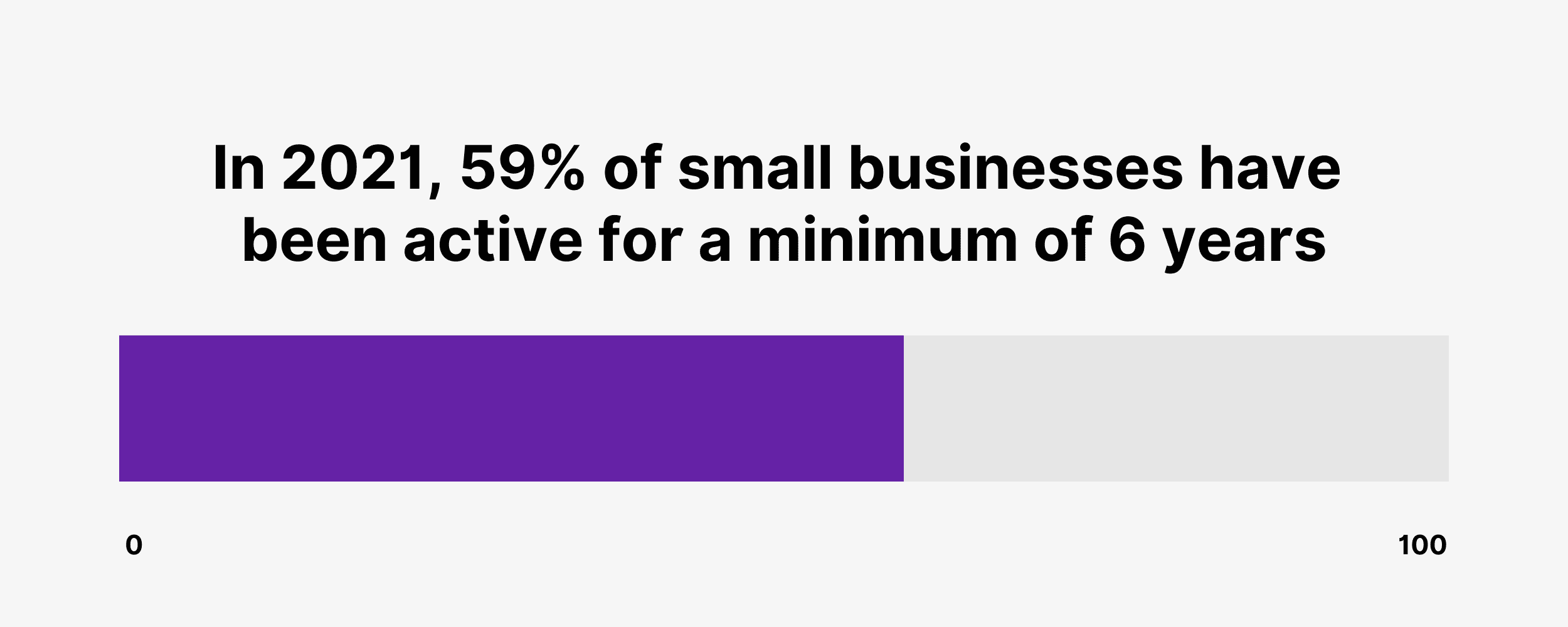
- In 2021, the majority (59%) of small businesses have been active for a minimum of 6 years (Pew Research Center)
- In 2021, 15% of small businesses had been operational for over 25 years (Pew Research Center)
- Inflation, quality of labor, and taxes are the most important problems for small business owners in the US (Statista)
Most Important Problem Share of Survey Respondents Inflation 24% Quality of labor 21% Taxes 13% Cost of labor 9% Poor sales 8% Government regulations 8% Cost/availability of insurance 6% Competition from large businesses 5% Finance and interest rates 4% Other 1%

Small Business Marketing Statistics
-
- The vast majority (82%) of small and midsize businesses already use or have intentions to use “social media marketing to increase customer engagement and boost online traffic” (Verizon)
- Facebook is the most popular social media platform to promote products among small to midsize business owners, with a usage rate of 82%. Other commonly used social platforms include Instagram (71%), YouTube (70%), LinkedIn (63%), and TikTok (58%) (Verizon)
- In a survey of small to midsize retailers and restaurants, 96% of respondents report they get the most engagement on TikTok, followed by Facebook (68%) and Instagram (47%) (Capterra)


AI Statistics for Small Business
-
- In a survey of small to midsize business owners, 38% of respondents reported using AI solutions at their organizations. AI adoption is higher than average among businesses in entertainment and recreation (49%), hospitality and accommodation (43%), and retail (41%) industries (Verizon)
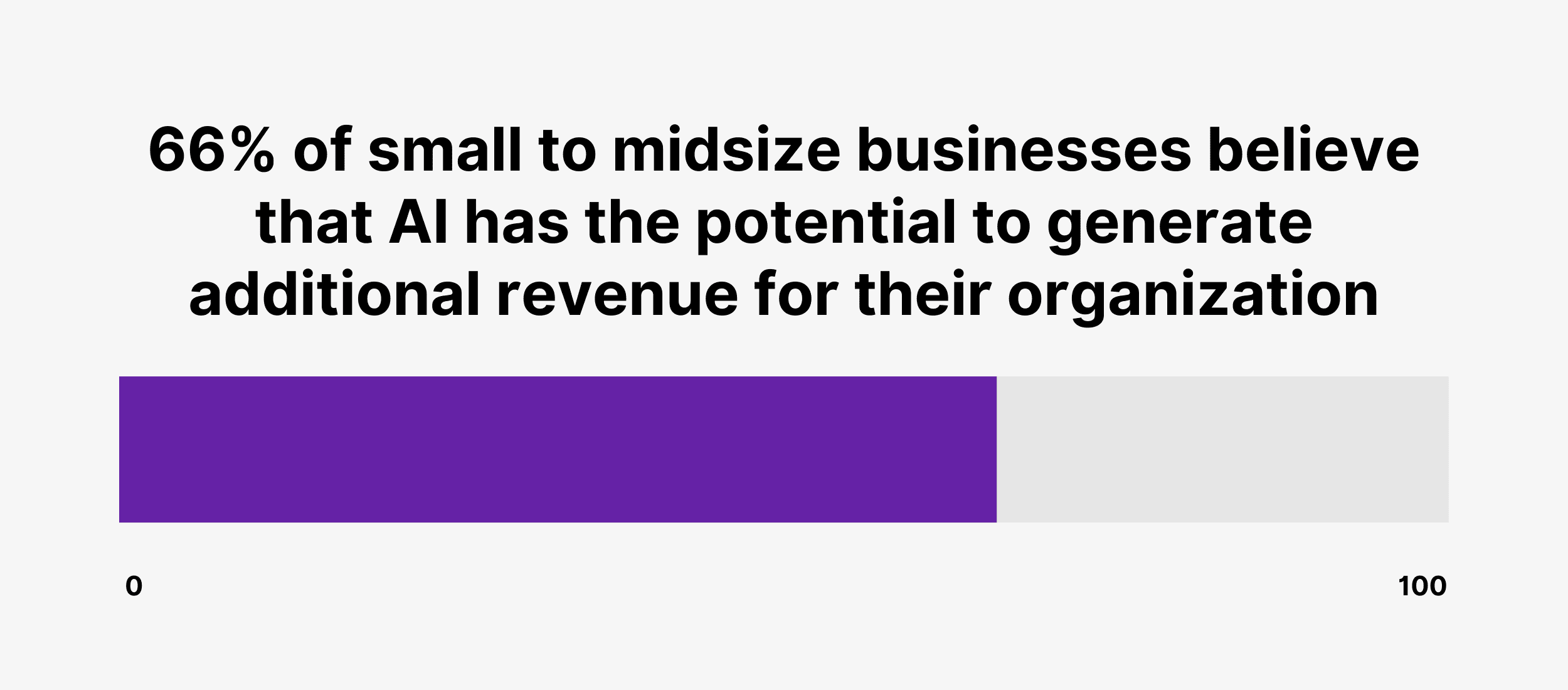
- Over half (66%) of small to midsize businesses believe that AI has the potential to generate additional revenue for their organization (Verizon)
- The benefits of using AI, as reported by small business owners, include improved efficiency and productivity (80%), optimized operations (47%), and better data to support decision-making (46%) (Goldman Sachs)
- Nearly half (44%) of small business owners claim they lack the resources and expertise needed for the successful implementation of AI (Goldman Sachs)

Backlinko is owned by Semrush. We’re still obsessed with bringing you world-class SEO insights, backed by hands-on experience. Unless otherwise noted, this content was written by either an employee or paid contractor of Semrush Inc.